

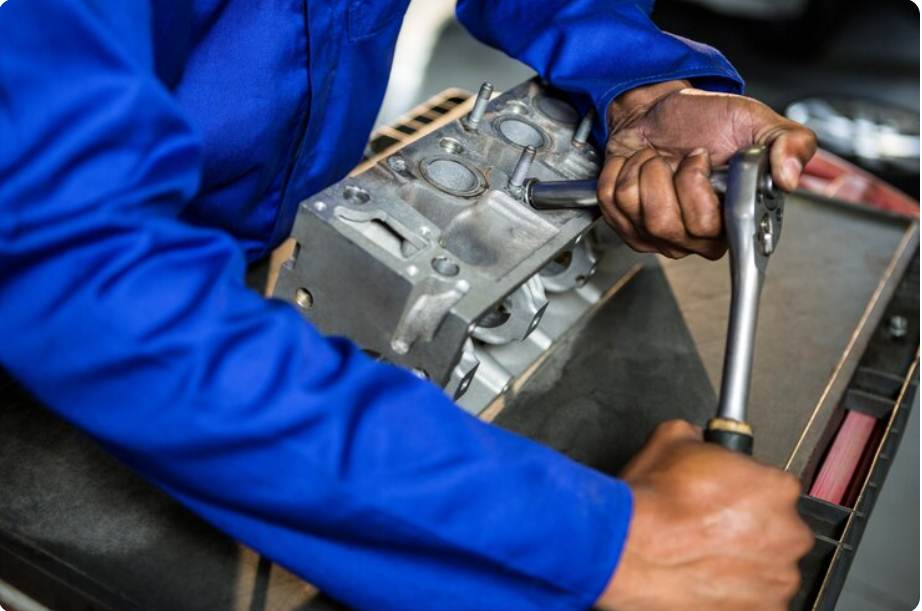
Every piece of industrial equipment eventually needs repair. Parts wear down, alignment shifts, and components that ran perfectly for years suddenly start causing problems. How a facility handles those repairs makes a huge difference in how much downtime it actually experiences, which is why having a trusted partner for industrial machinery repair Utah is so valuable for manufacturers who cannot afford extended production stoppages.
Fast response time matters enormously when a machine goes down unexpectedly. Every minute a production line sits idle translates directly into lost output, so working with a repair team that understands urgency and shows up prepared can dramatically shorten the length of an outage. Experienced technicians often diagnose issues faster too, since they have seen similar failures before and know where to look first.
Repair work also needs to be done safely, especially when technicians are working around powered equipment or heavy components. Following occupational health safety guidance protects workers from injury and helps facilities avoid the kind of incidents that create even more downtime and liability. A repair team that takes shortcuts on safety is a team that puts an entire facility at risk, not just the individual technician.
Preventive maintenance is closely tied to repair, even though the two often get treated separately. Facilities that invest in regular maintenance contracts tend to catch small issues before they become major failures, which keeps repair costs lower over time. Many manufacturers are also paying closer attention to international quality management standards as a framework for building stronger maintenance programs, since consistent processes tend to produce more predictable equipment performance.
Not every repair is the same, either. Some issues are mechanical, involving worn bearings or misaligned components, while others involve more complex systems that require deeper diagnostic work. A repair provider with broad experience across different machinery types is better equipped to handle whatever comes up, rather than being limited to one narrow category of equipment.
Documentation matters more than people realize. A repair history that tracks what failed, why it failed, and what was done to fix it gives facility managers valuable insight into recurring problems. Over time, this kind of record can highlight equipment that may need replacement rather than repeated repair, helping a facility make smarter long term decisions about its equipment budget.
Choosing a repair partner should involve more than just picking whoever answers the phone first. Ask about response times, technician experience, and how they handle emergency calls outside normal business hours. A provider who treats repair as a core service, rather than an occasional side job, is usually far more prepared to handle whatever a facility throws at them.
Machinery breakdowns are never fully avoidable, but the impact they have on a facility is largely within a manager’s control. Partnering with a repair team that responds quickly, works safely, and documents its findings turns an inevitable inconvenience into a manageable part of running an industrial operation.